Davon Godchaux Might Have the Flyest Crib in the NFL
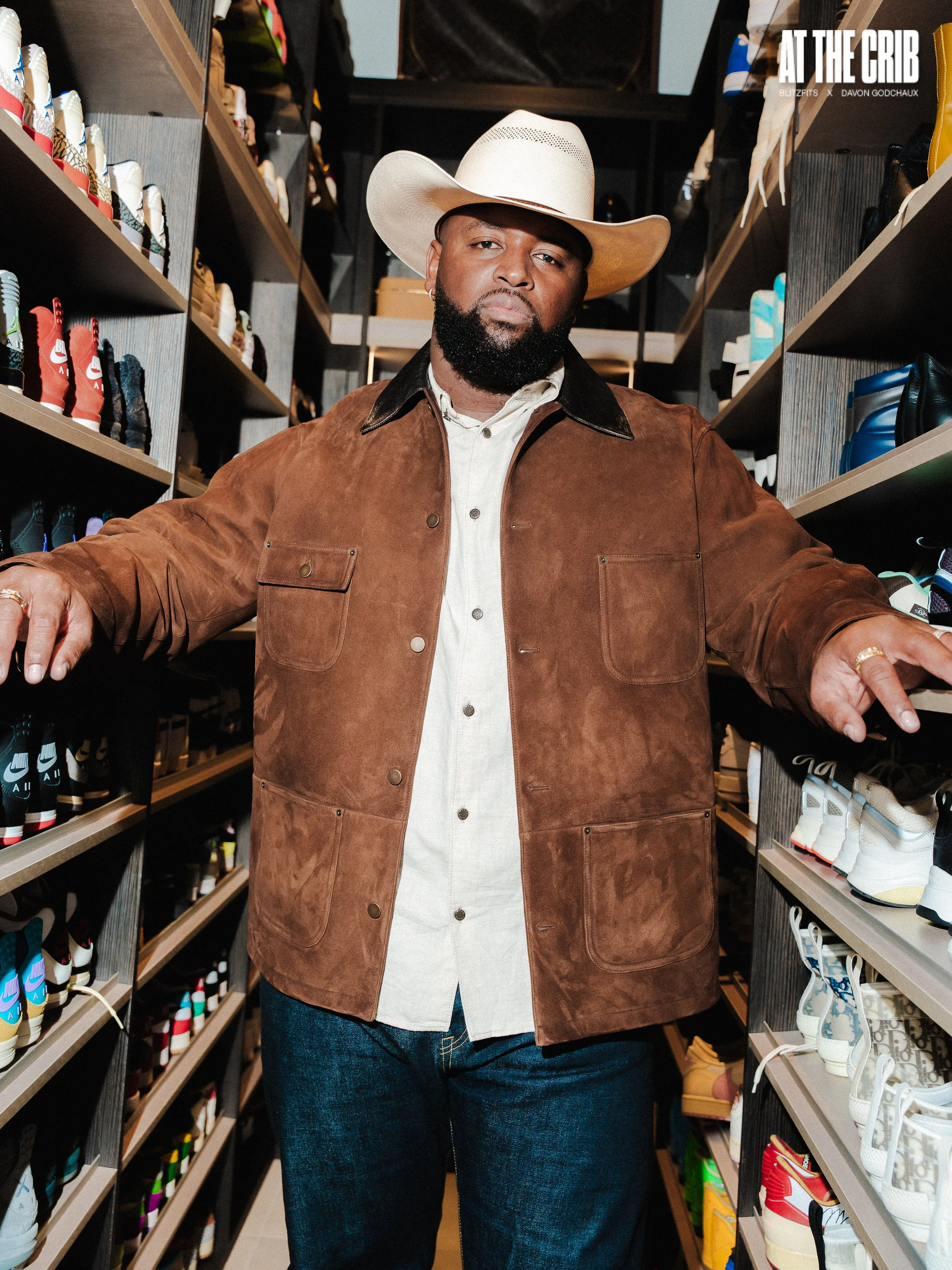
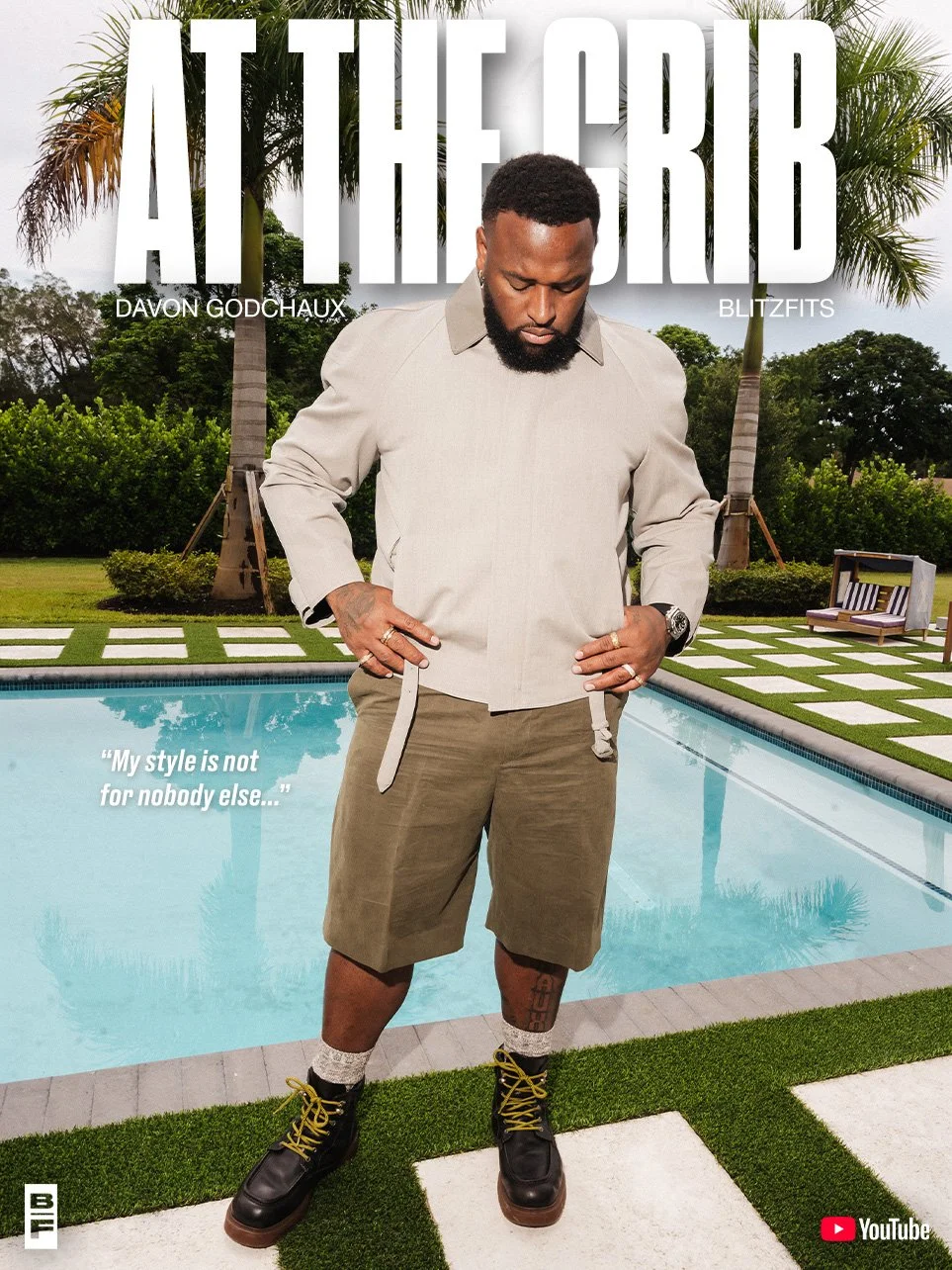
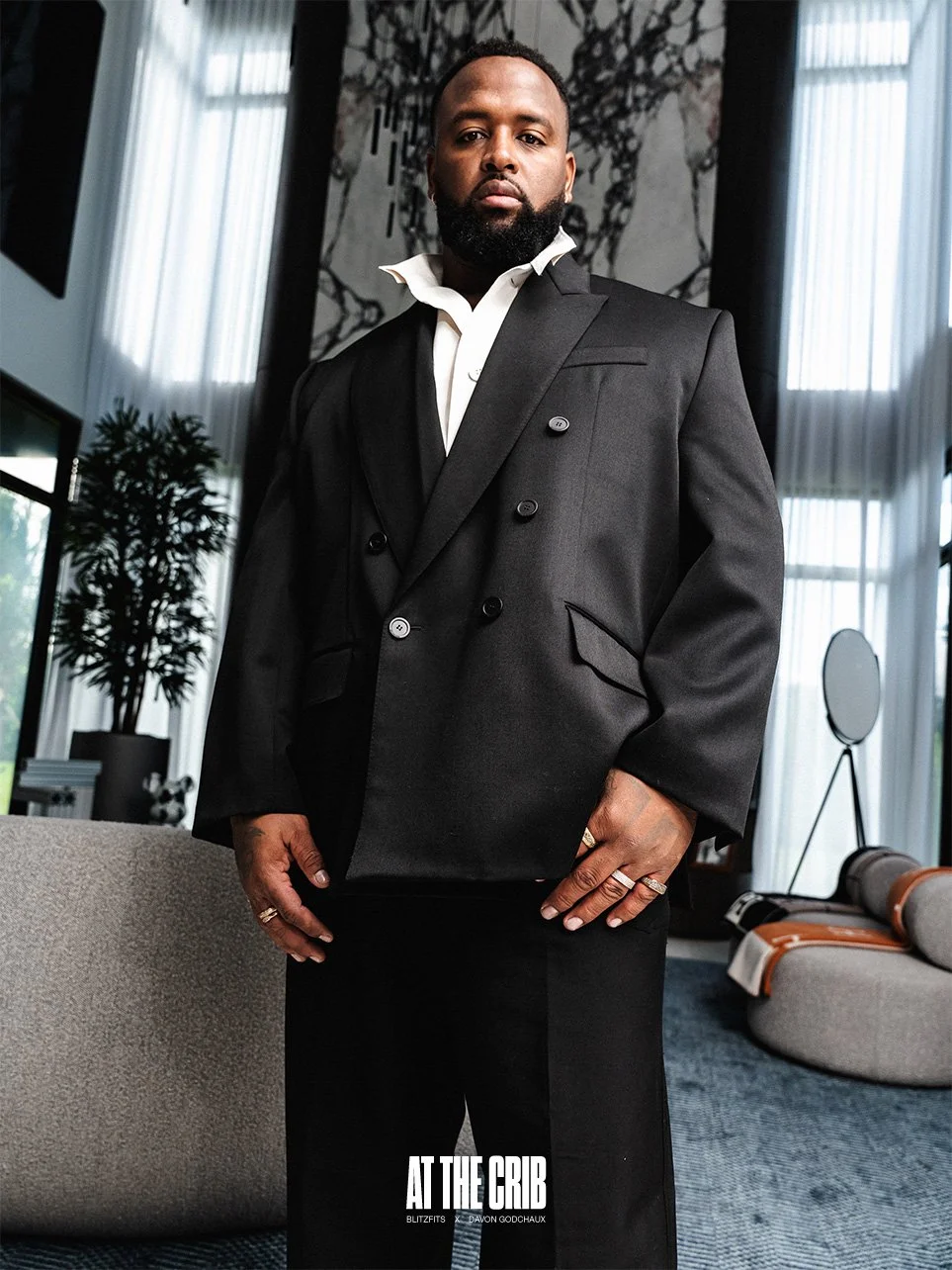
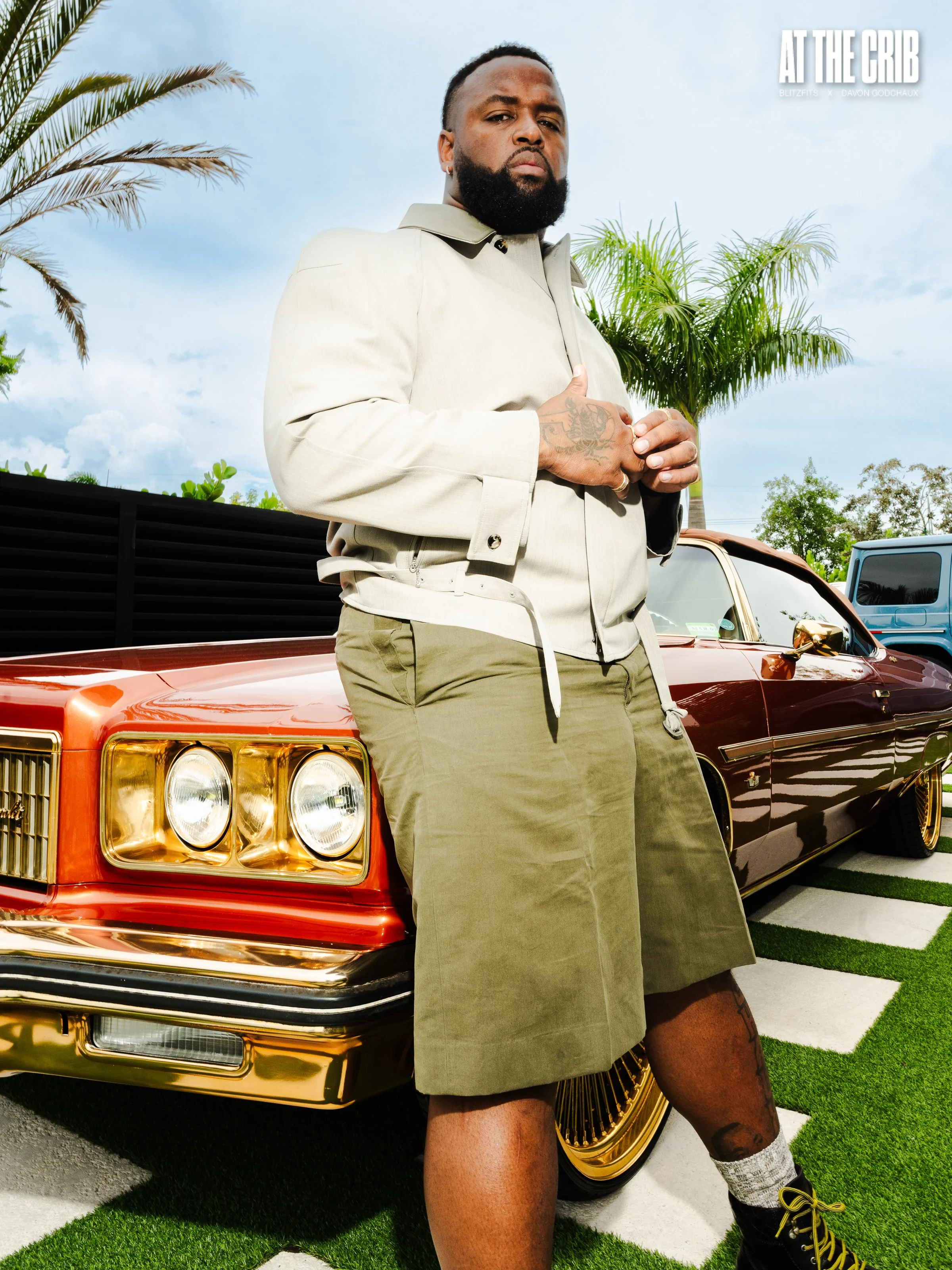
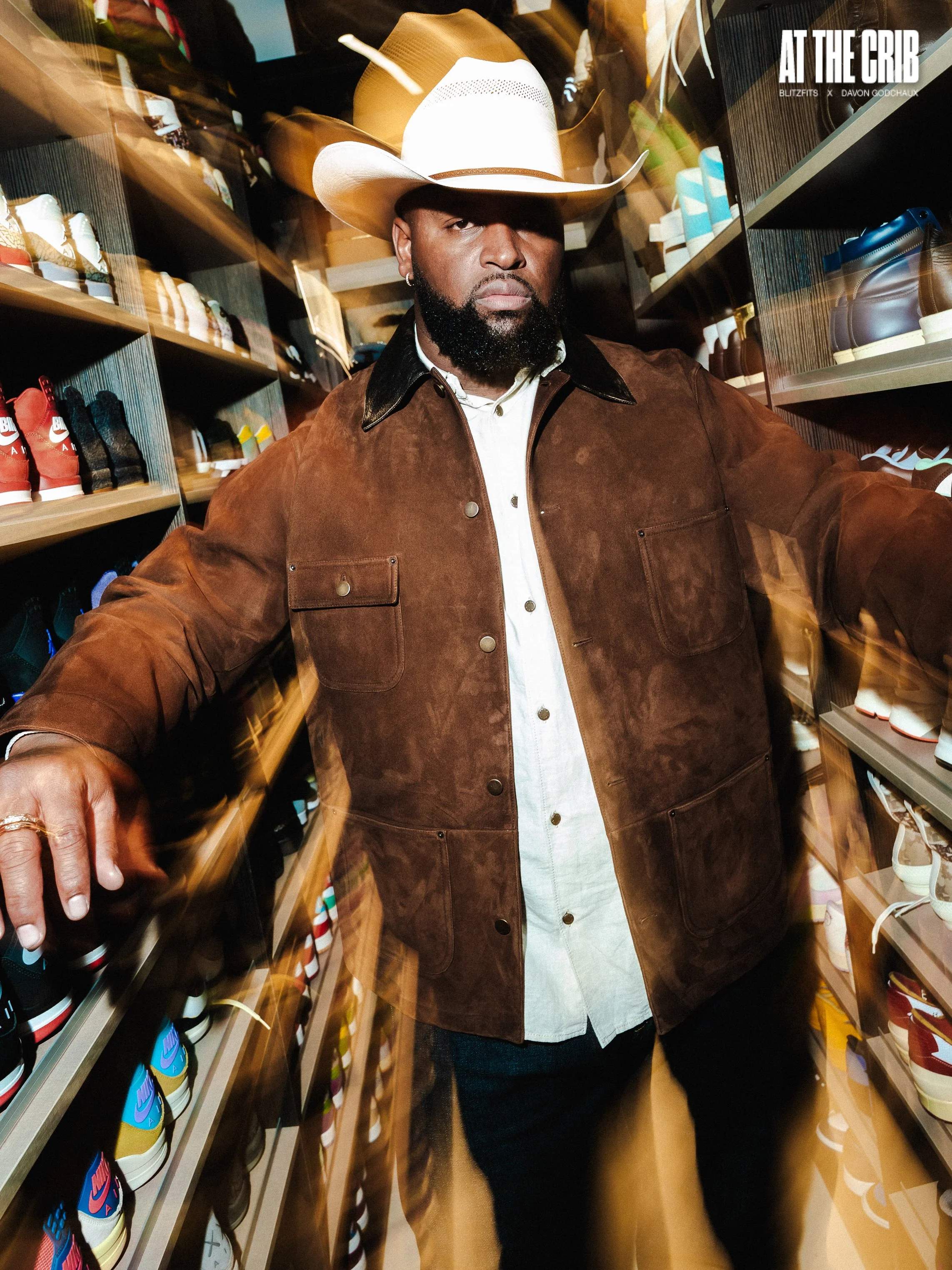
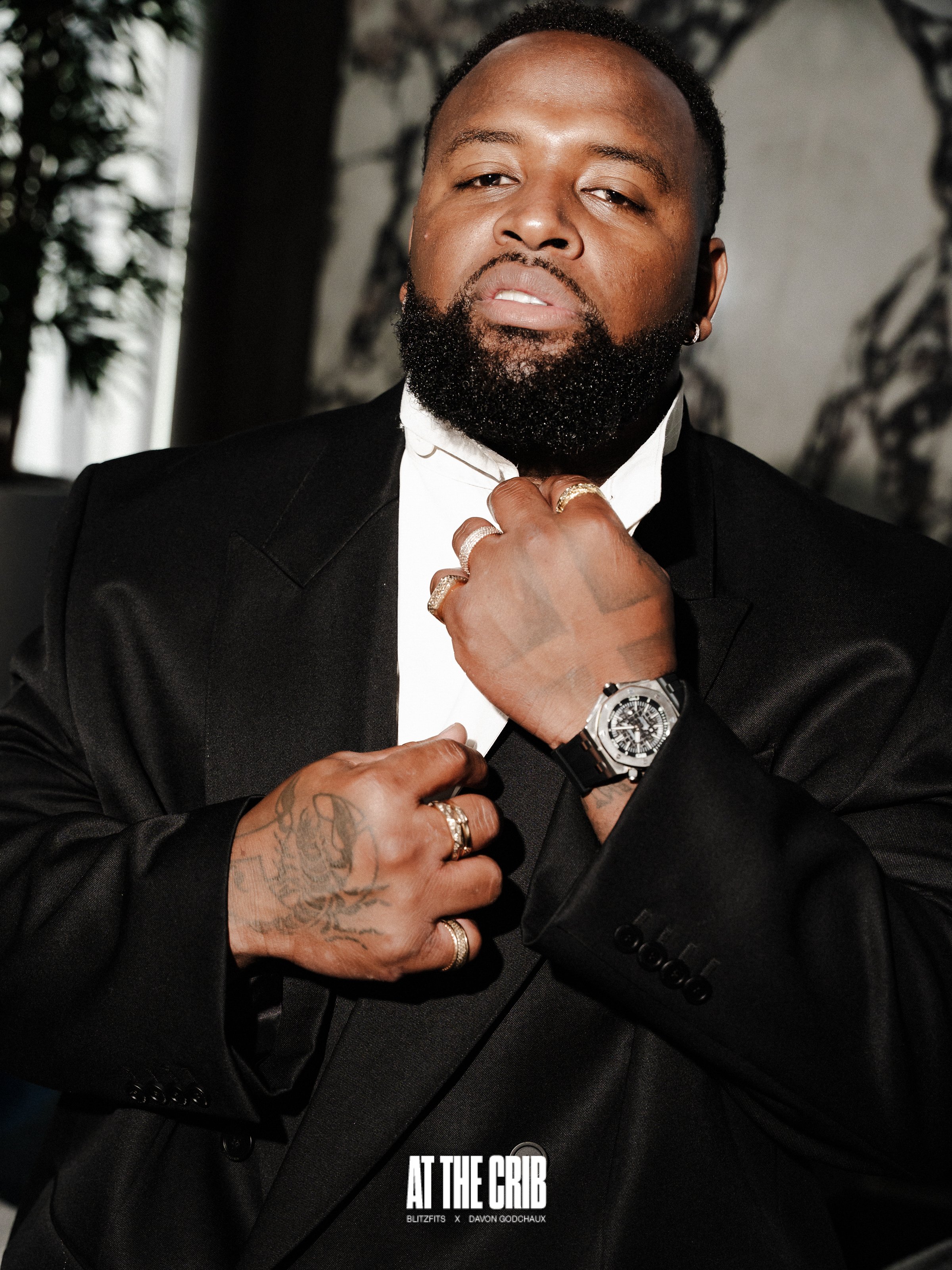
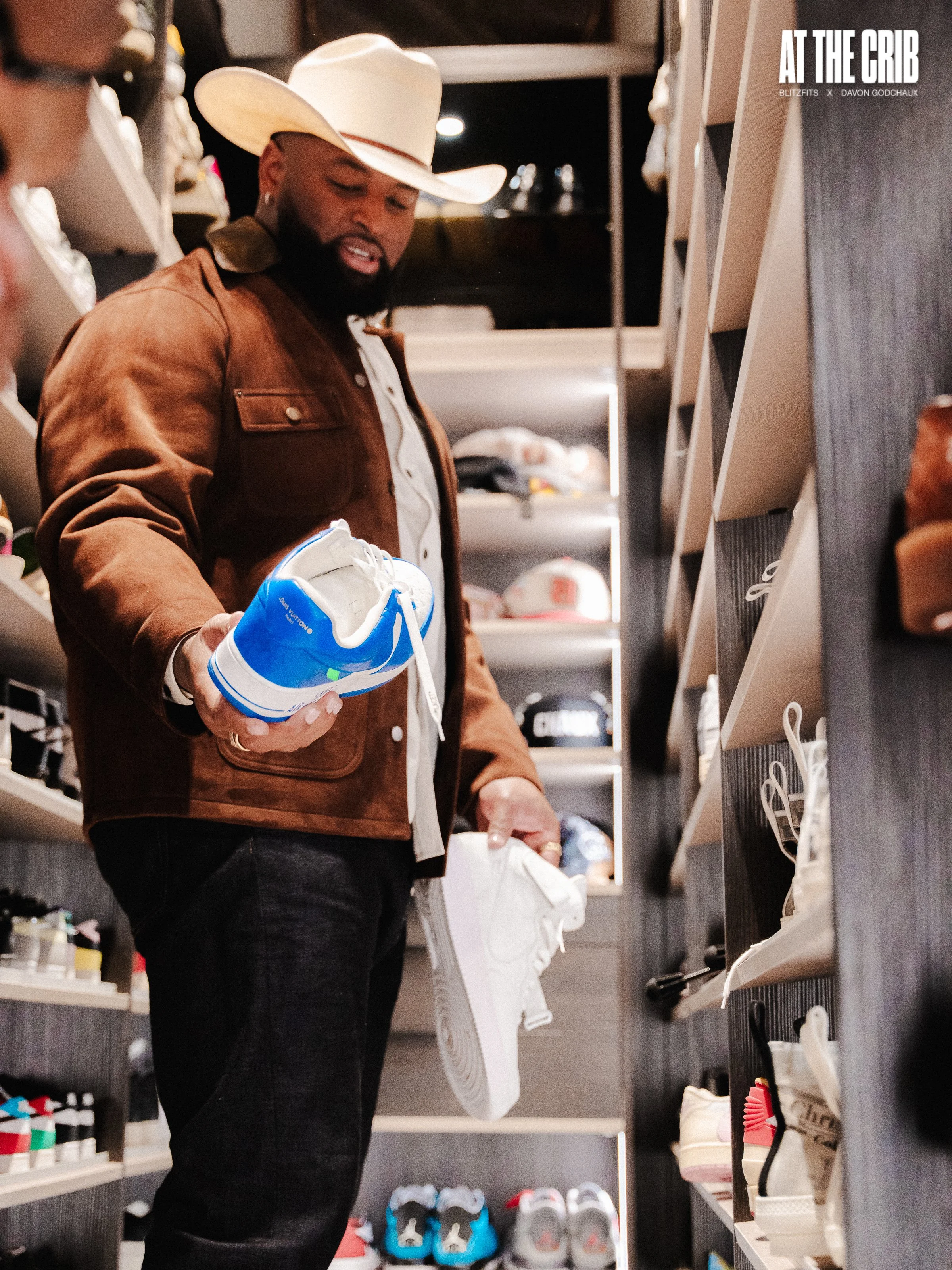
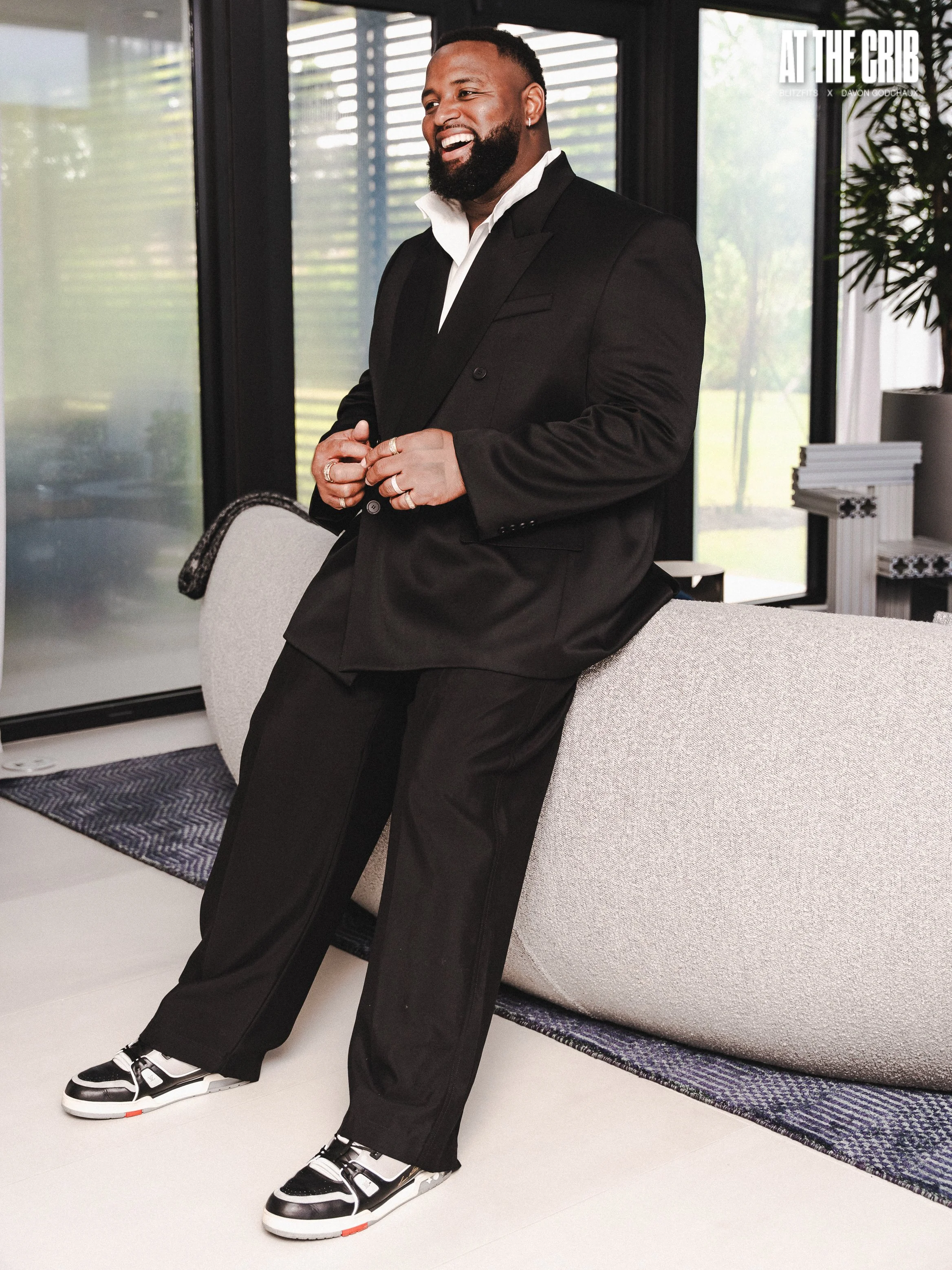
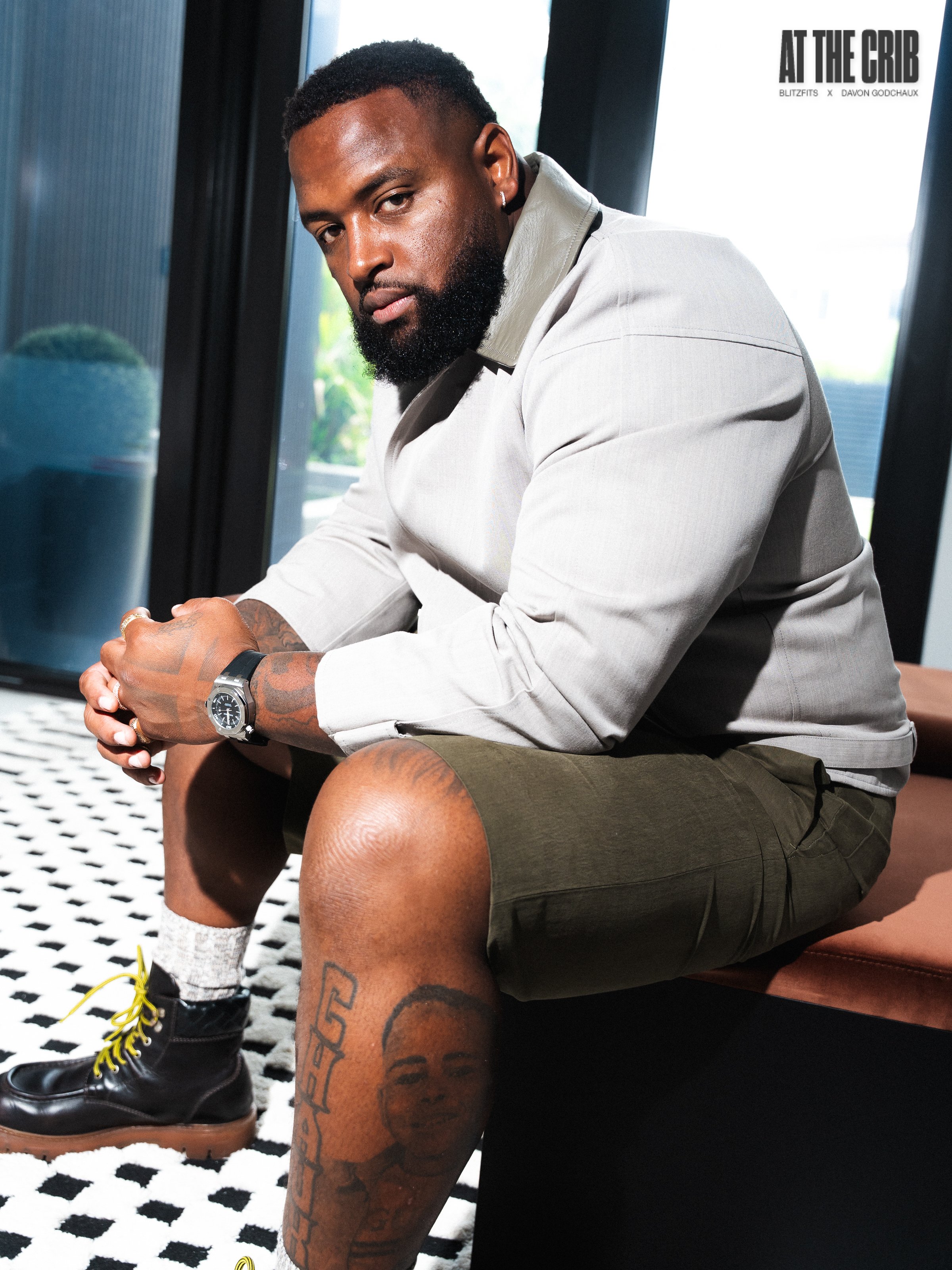
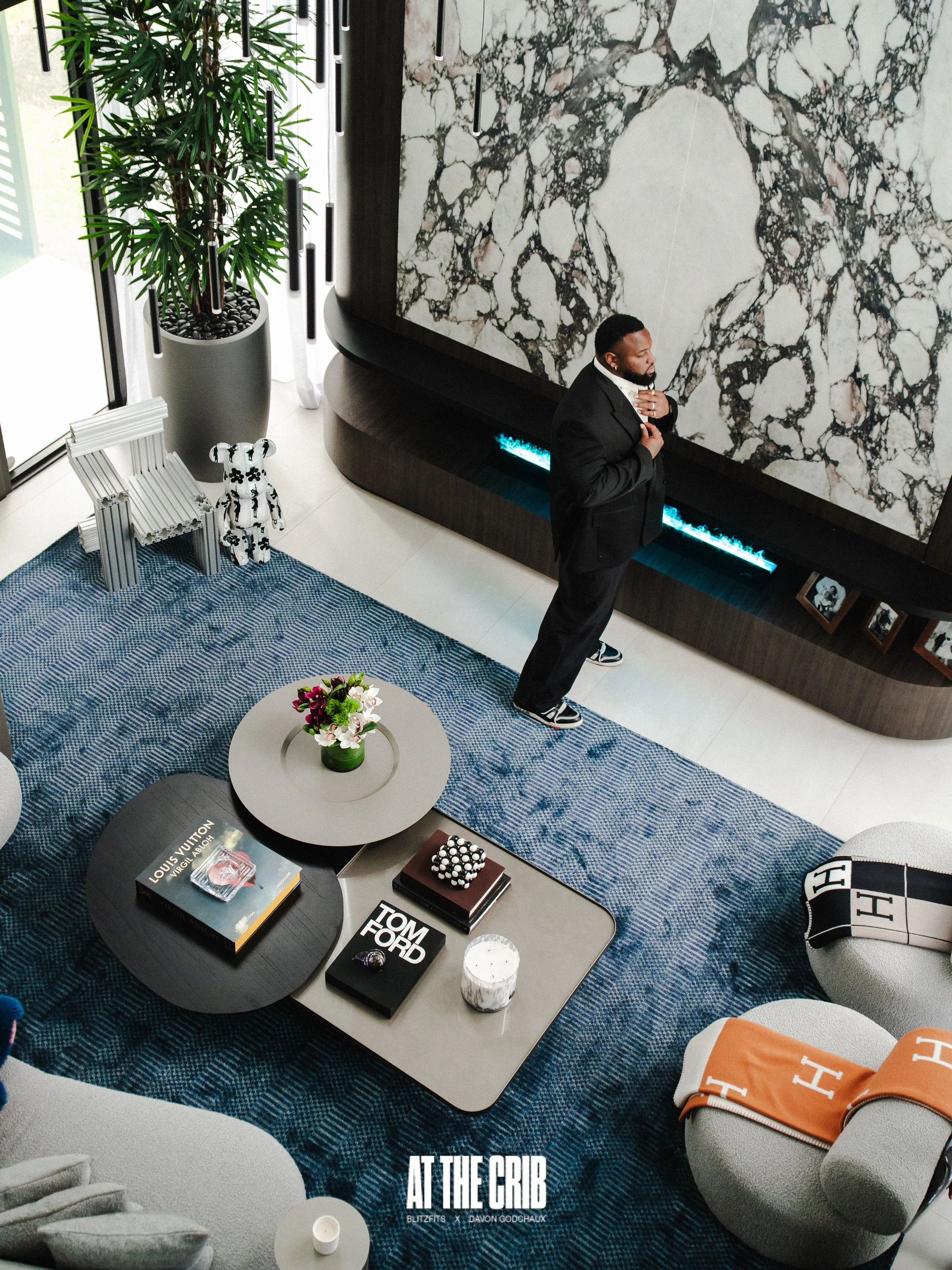
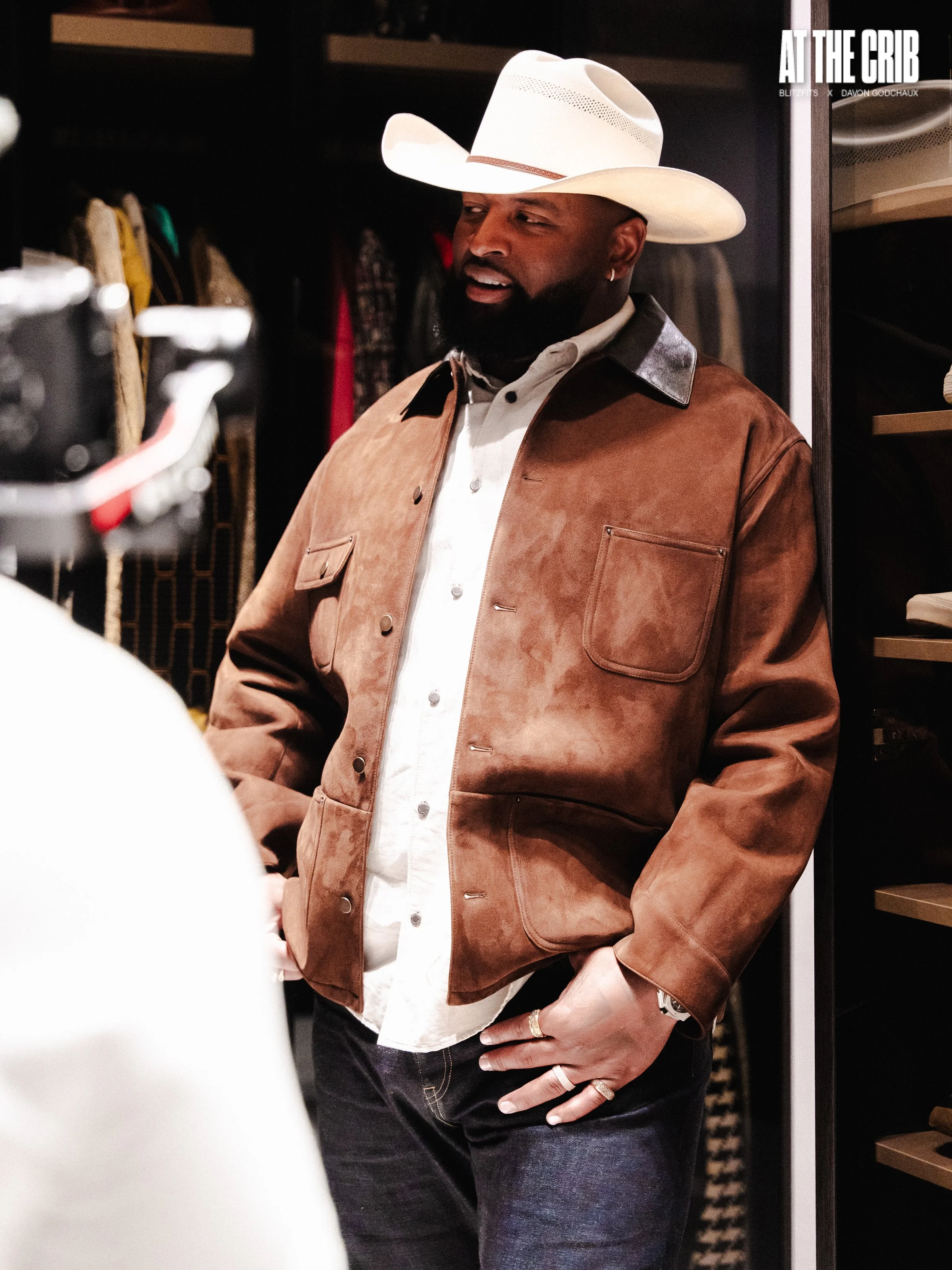
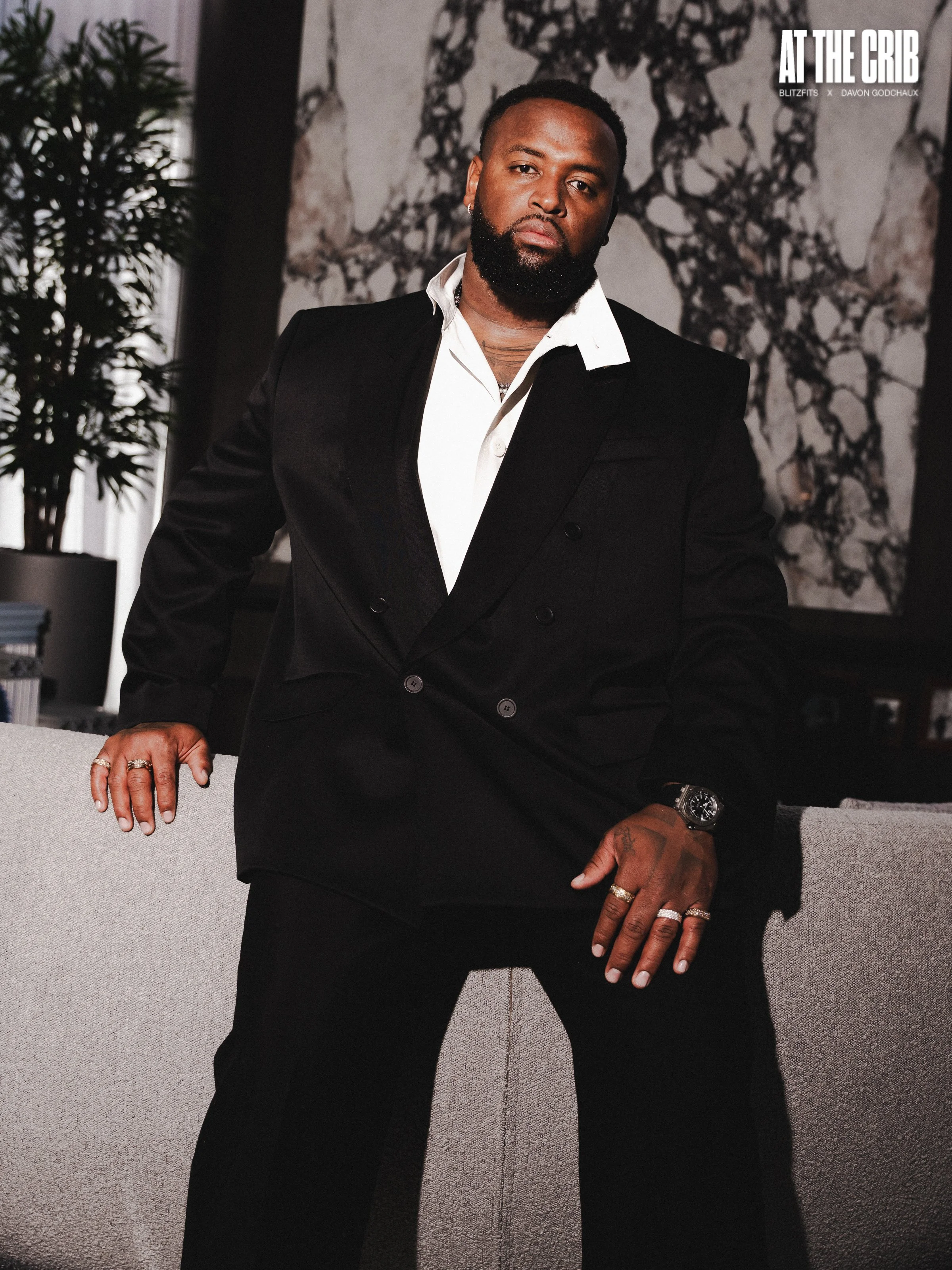
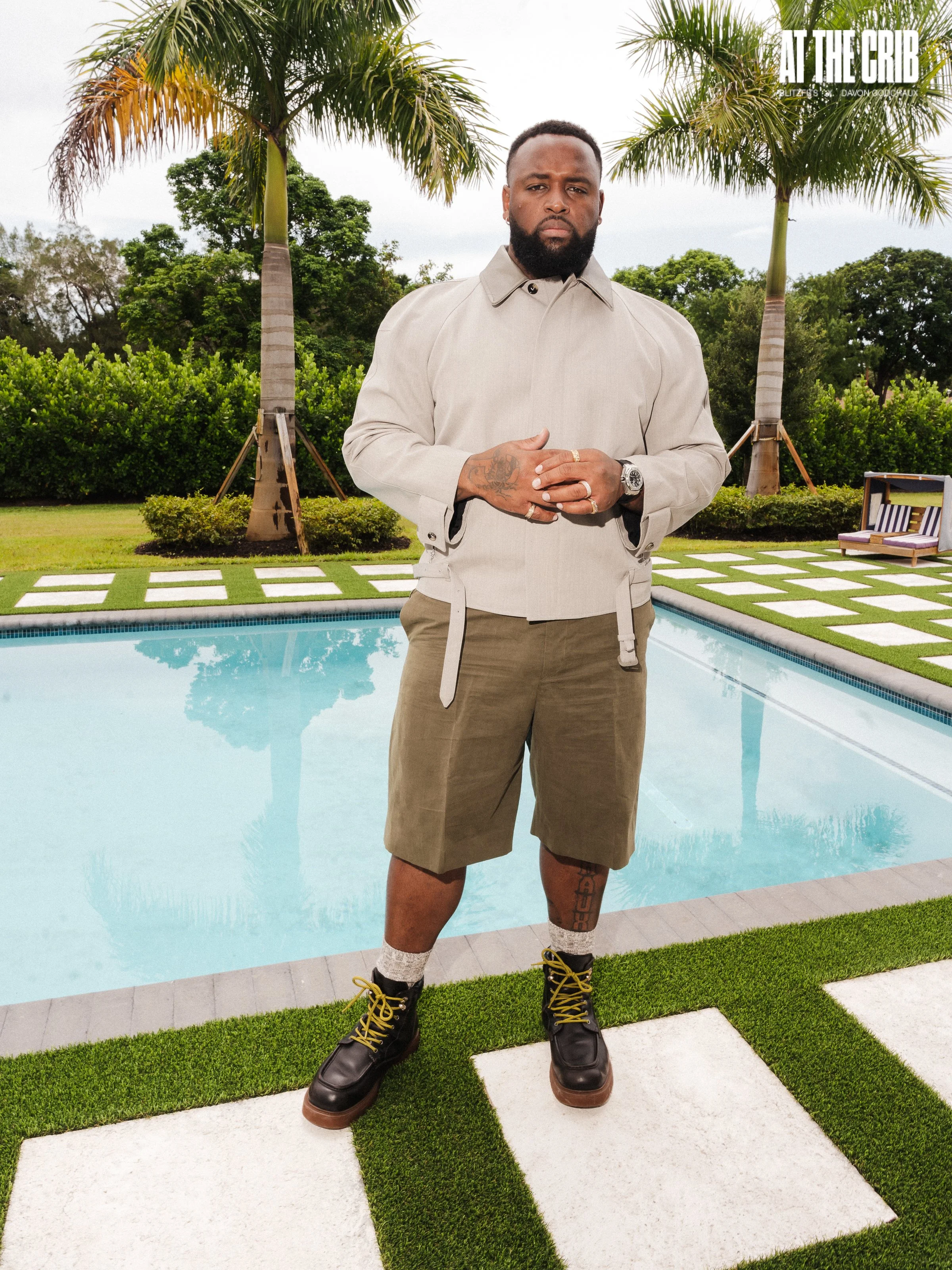
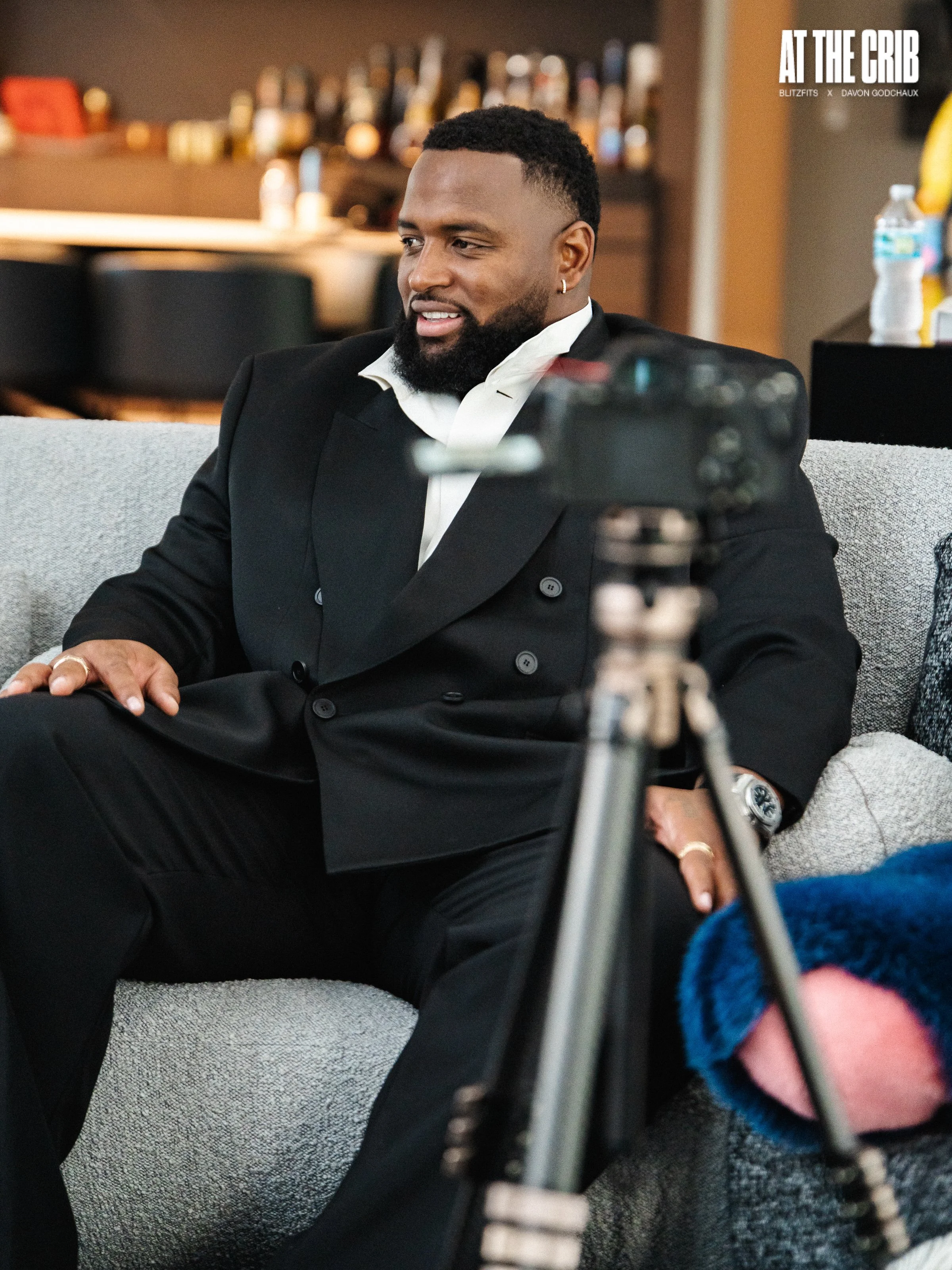
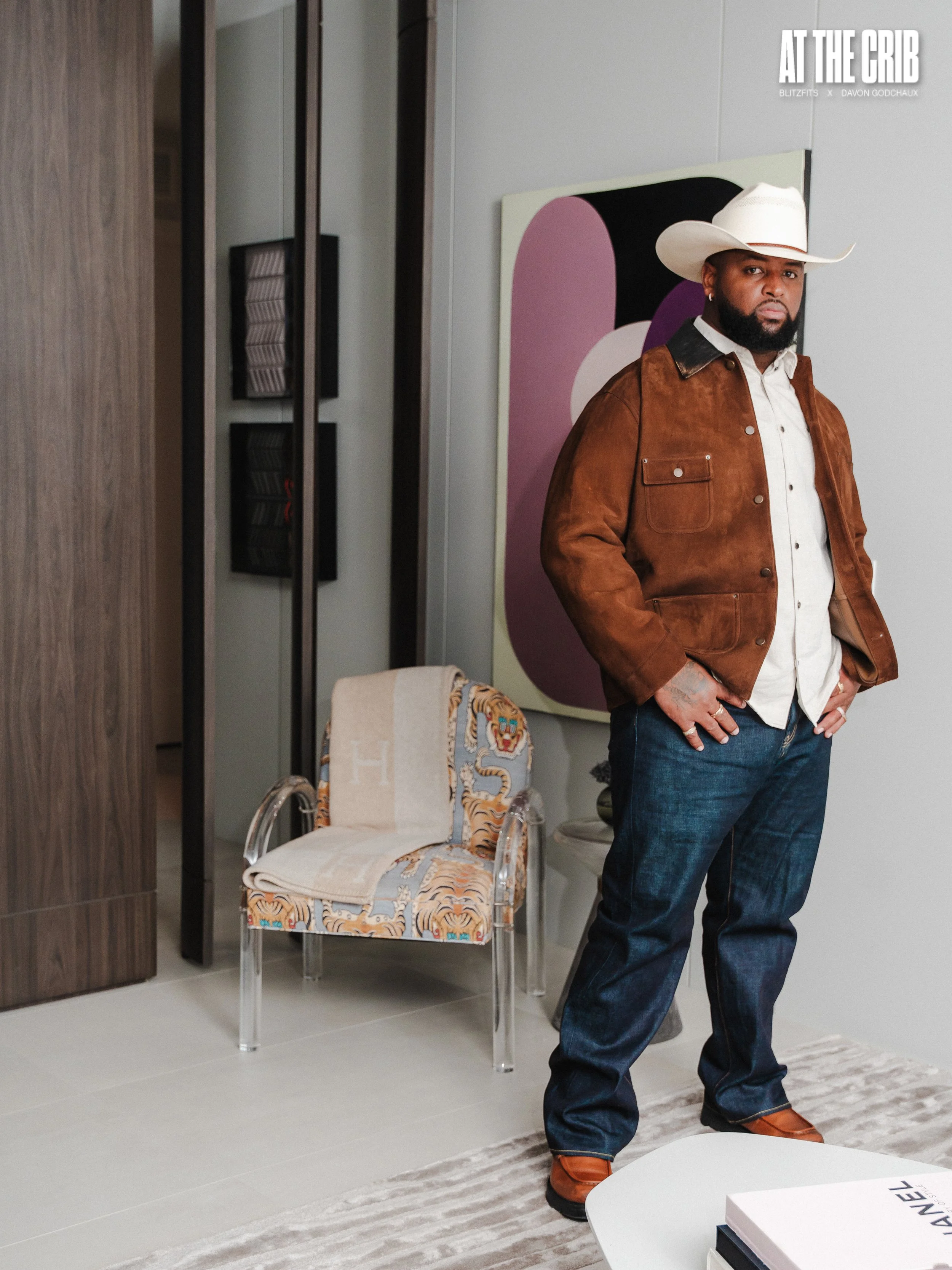
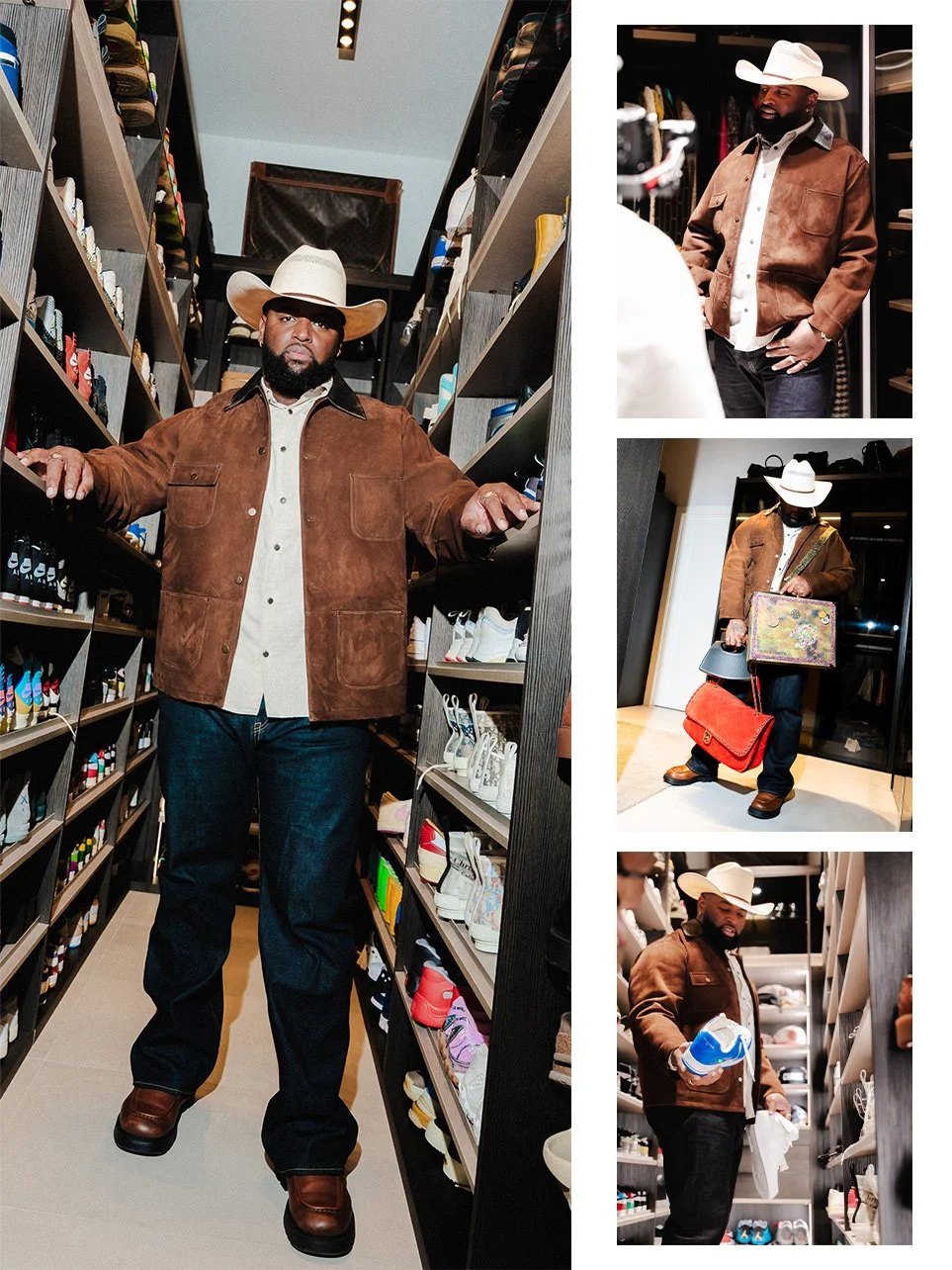
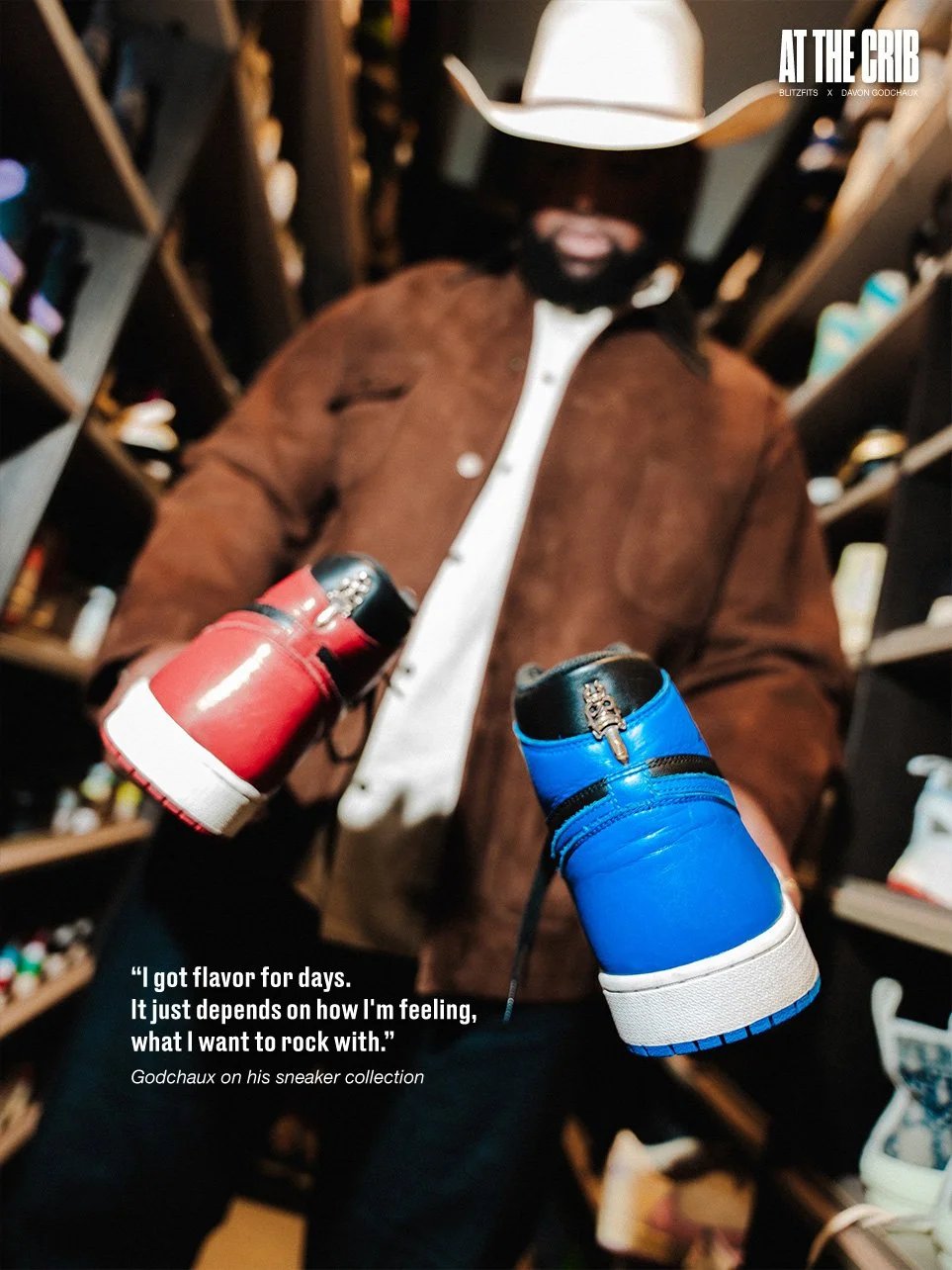
We linked up with Davon Godchaux at his South Florida home — the kind of house where the garage doubles as a car show and the closet needs its own zip code. Bottega, Balenciaga, Virgil Abloh pieces he’s not letting go of anytime soon, a couple of restored classics out back. But it doesn’t take long before the conversation moves past the clothes. He starts talking about his wife, about Louisiana, about what ten years in this league actually costs — and somehow it all circles back to the same idea: consistency.
“I honestly believe that consistency — everything you do in life — it takes a consistent person,” he says. “You can dedicate yourself, you can work hard. But if you’re not consistent, you’re just wasting your time.”
Where It Started
Davon didn't start out dressing like this. As a kid, his mom put him and his brother in matching outfits — polos, the whole look — and neither of them wanted any part of it. "My mom wanted us to dress up a lot and we got tired of it," he says. "We was like, nah, I don't want to wear a polo." That pushback was the first sign of something: he wanted to build his own look, not wear someone else's idea of one.
The real foundation came from New Orleans culture growing up — No Limit, Cash Money, the soldier racks, the baggy jeans, the jerseys. "I got into fashion just by looking at my peers, people ahead of me," he says. It wasn't abstract inspiration, either — it was specific, physical things kids actually did. "You always wanted to take the aluminum foil, put it in your mouth, and have a grill." Fast cars on TV, fresh sneakers, the whole aesthetic of guys who looked like they had it figured out.
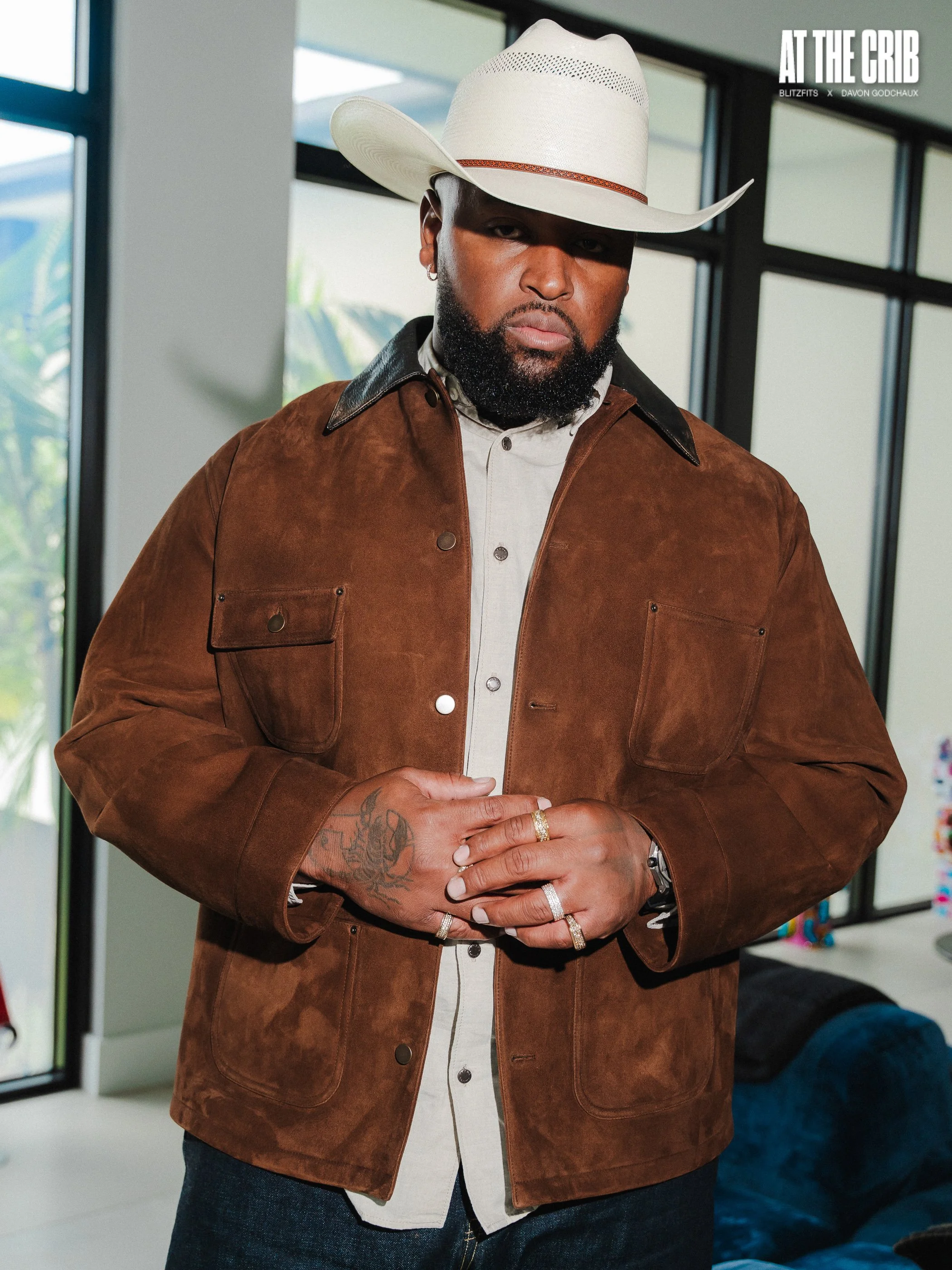
Style actually started clicking once he got to LSU. A friend named DeMarcus Pitts told him straight up: "I think you got the vision for it." From there it was trench coats, Jordan 1s, the embellished jeans that were everywhere at the time — style built on a college budget, not a pro contract. "Once they got to the league, I got some funds in my pocket," he says, "and it was like, okay, I want to go high fashion." That's the shift — from working with what he had to actually building the closet he walks through today.
Not For Nobody Else
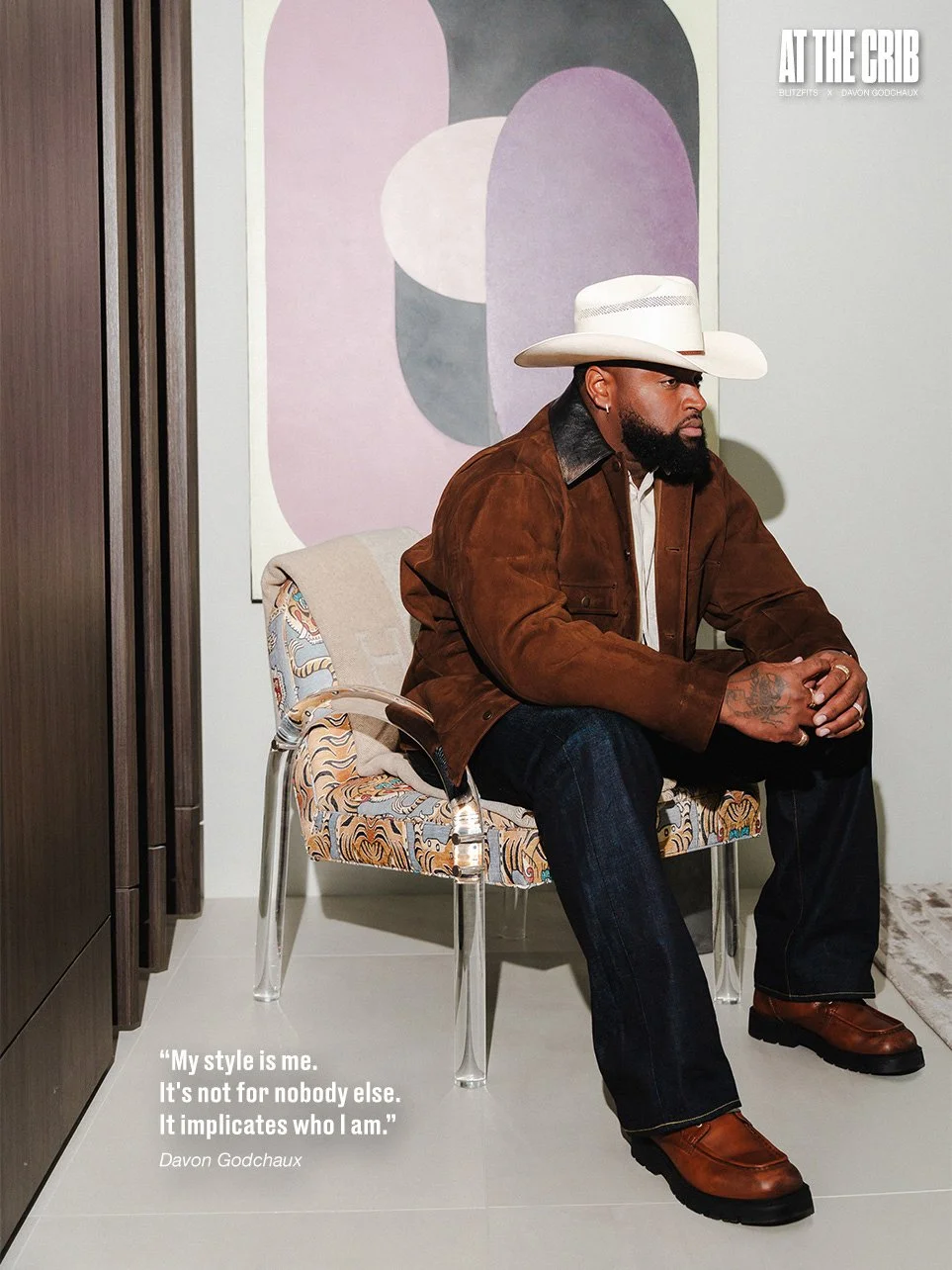
We asked Davon what his style says about him and he doesn't hesitate: "My style is me. It's not for nobody else. It implicates who I am."
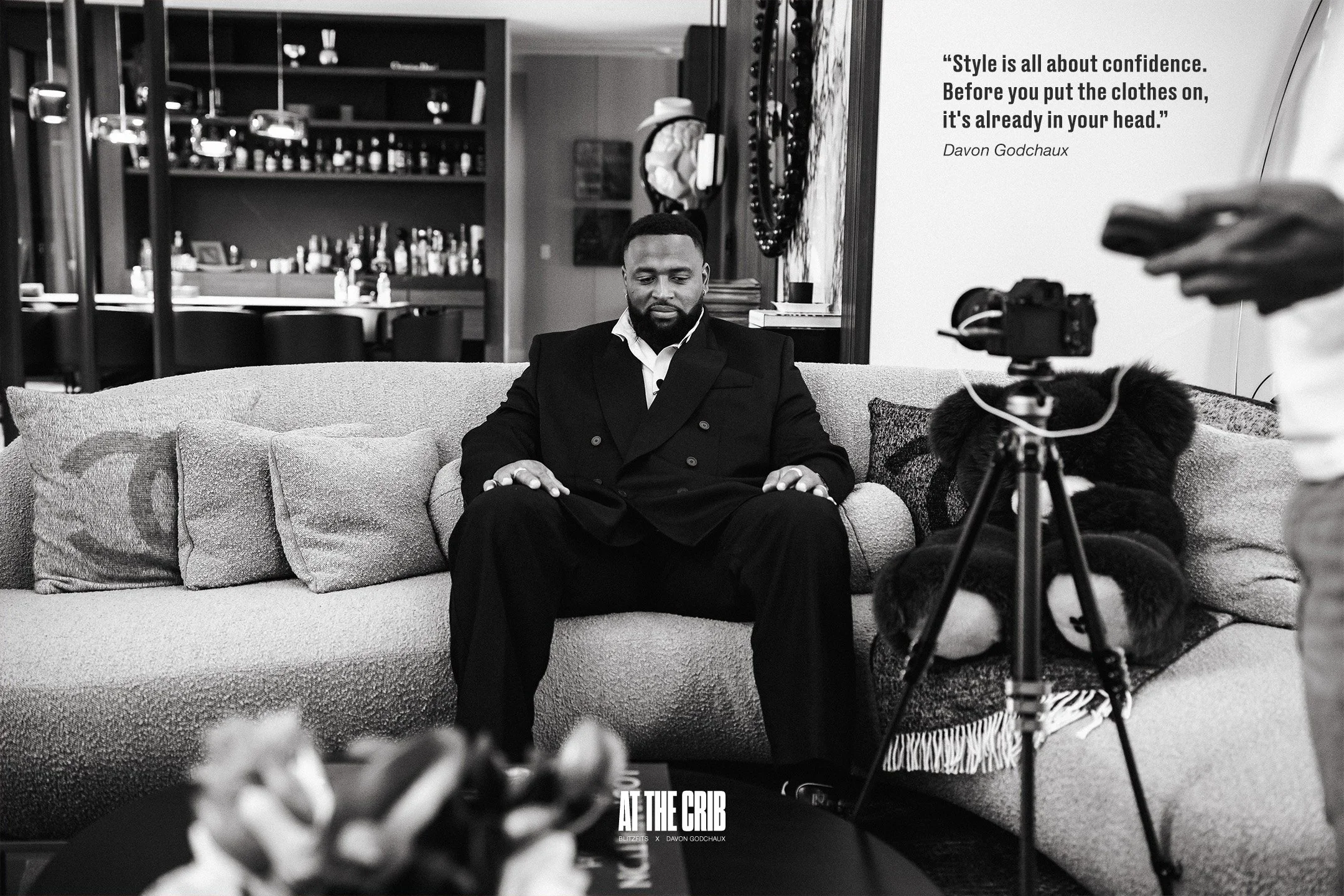
That's the whole thing with Davon — dressing for himself, not for an audience. "Style is all about confidence," he says. "Before you put the clothes on, it's already in your head. It's what you imagine." And he's clear it's not about the price tag either. "It doesn't mean the piece needs to be $4,000, $5,000. You can go to Walmart and put a good fit together if you know what you're doing."
Same logic applies to how he sees other guys taking risks with fashion — no judgment, just respect. "Everybody might not like your style," he says. "But your style is for you."
The Pieces He Won't Let Go
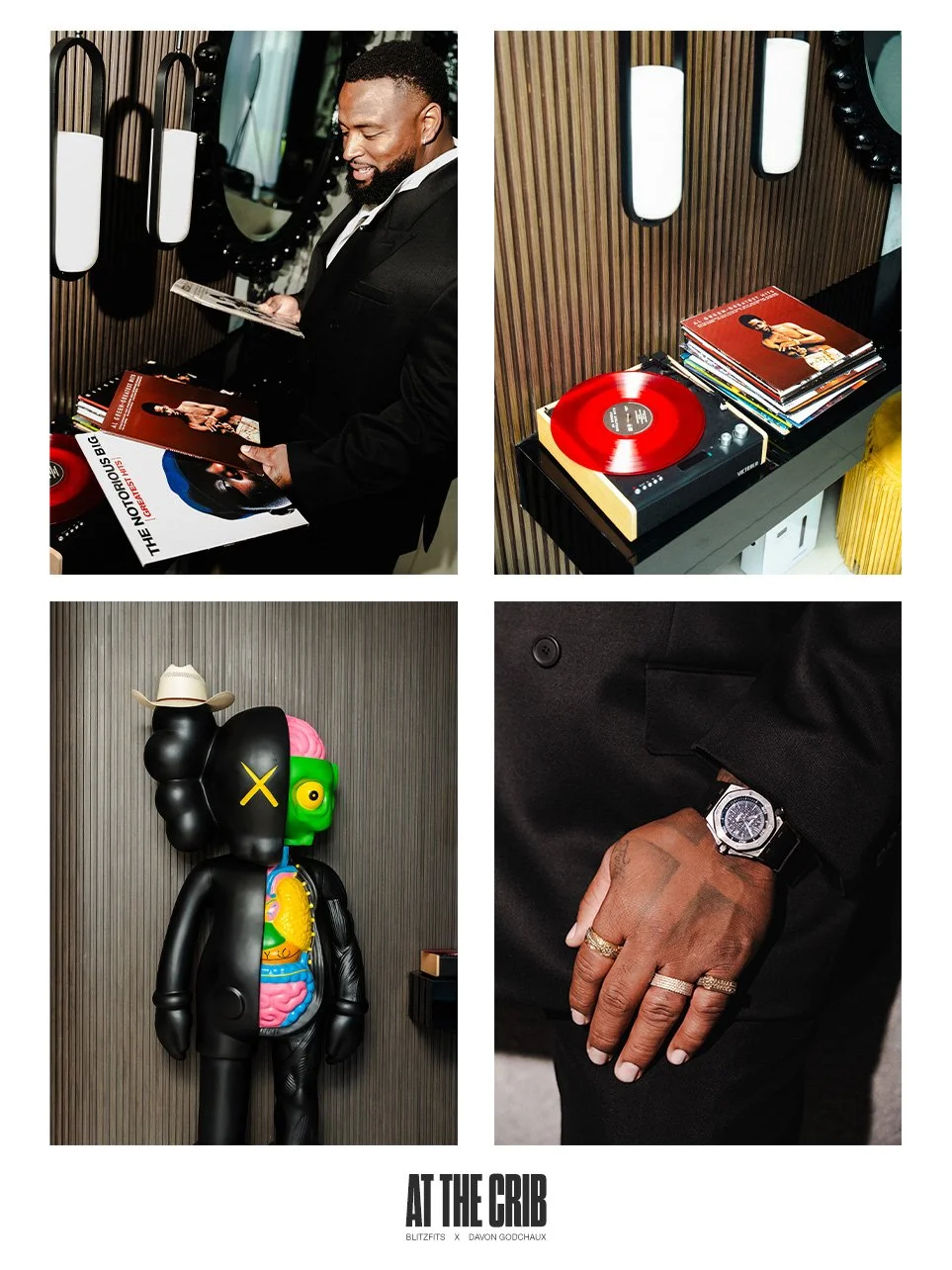
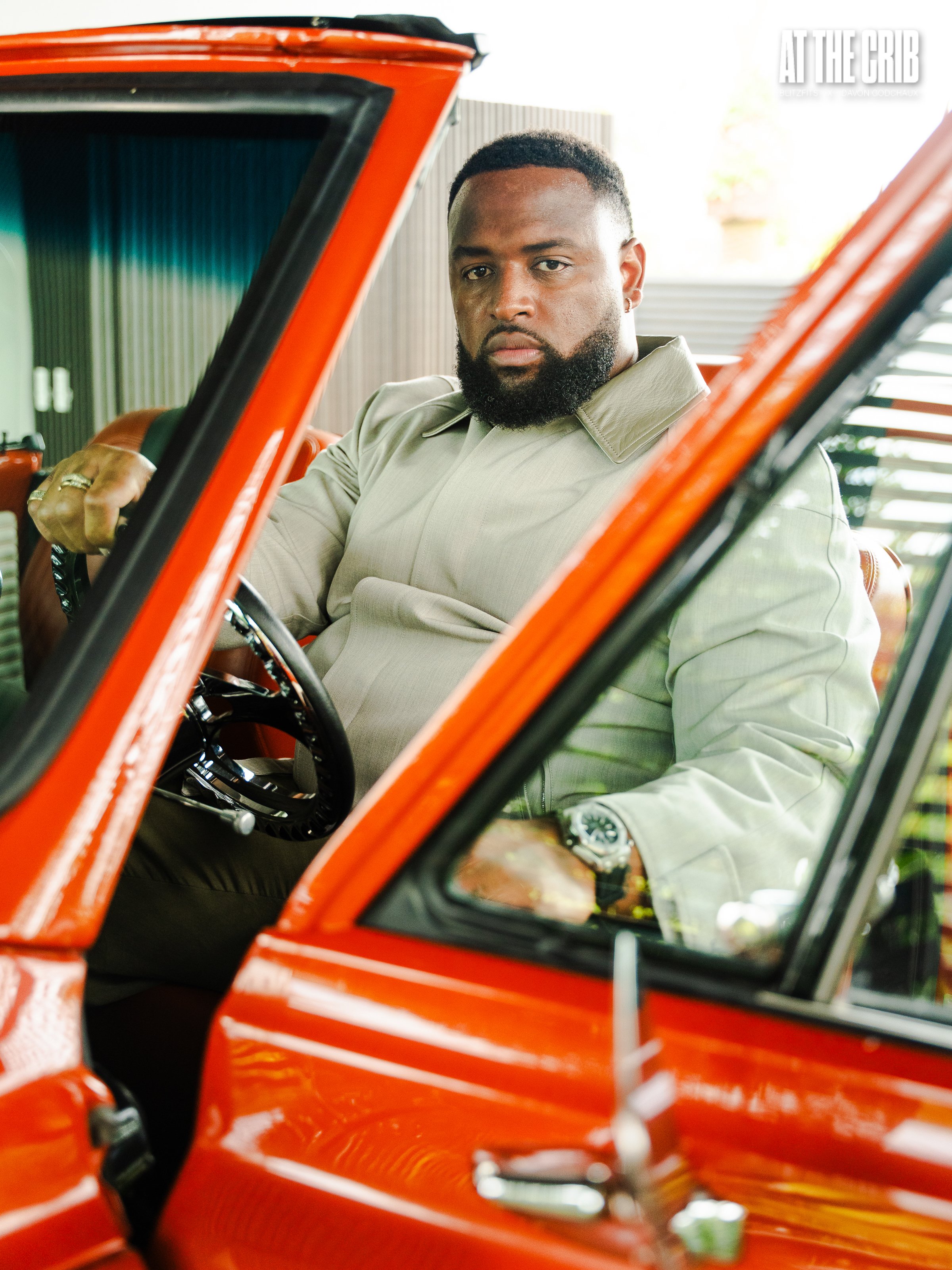
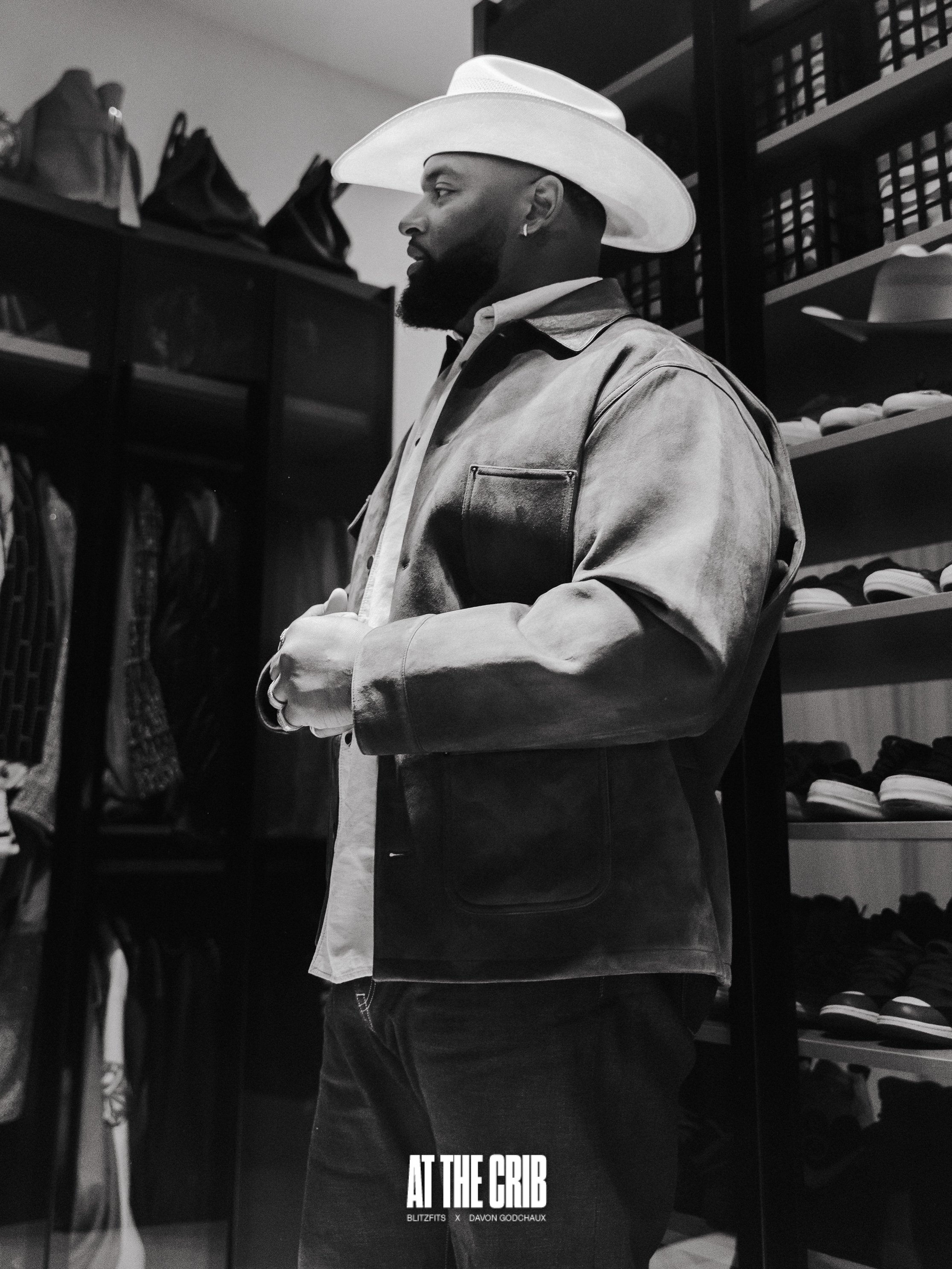
We followed Davon into his closet, then out to the garage, to see the pieces that actually matter to him.
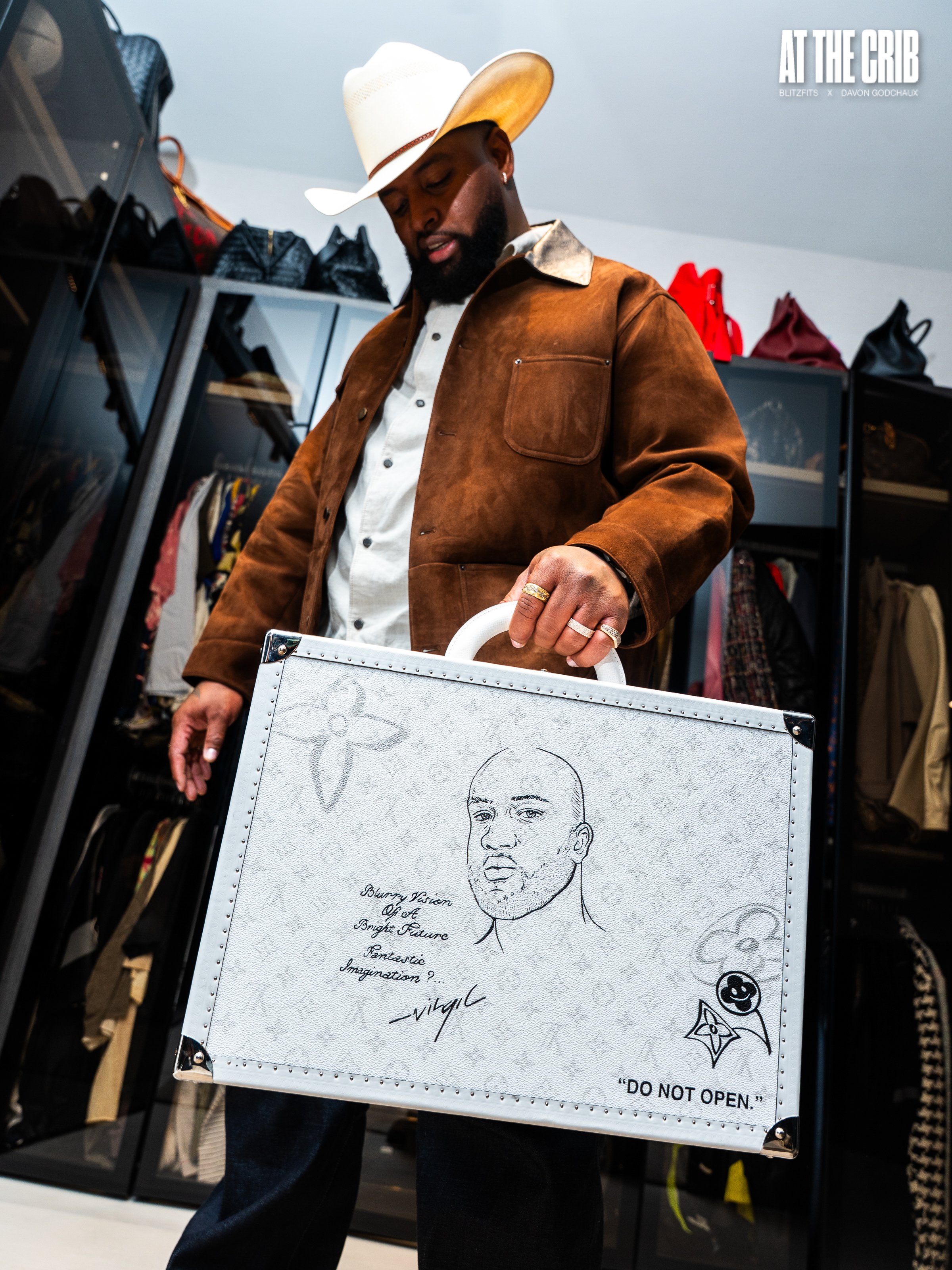
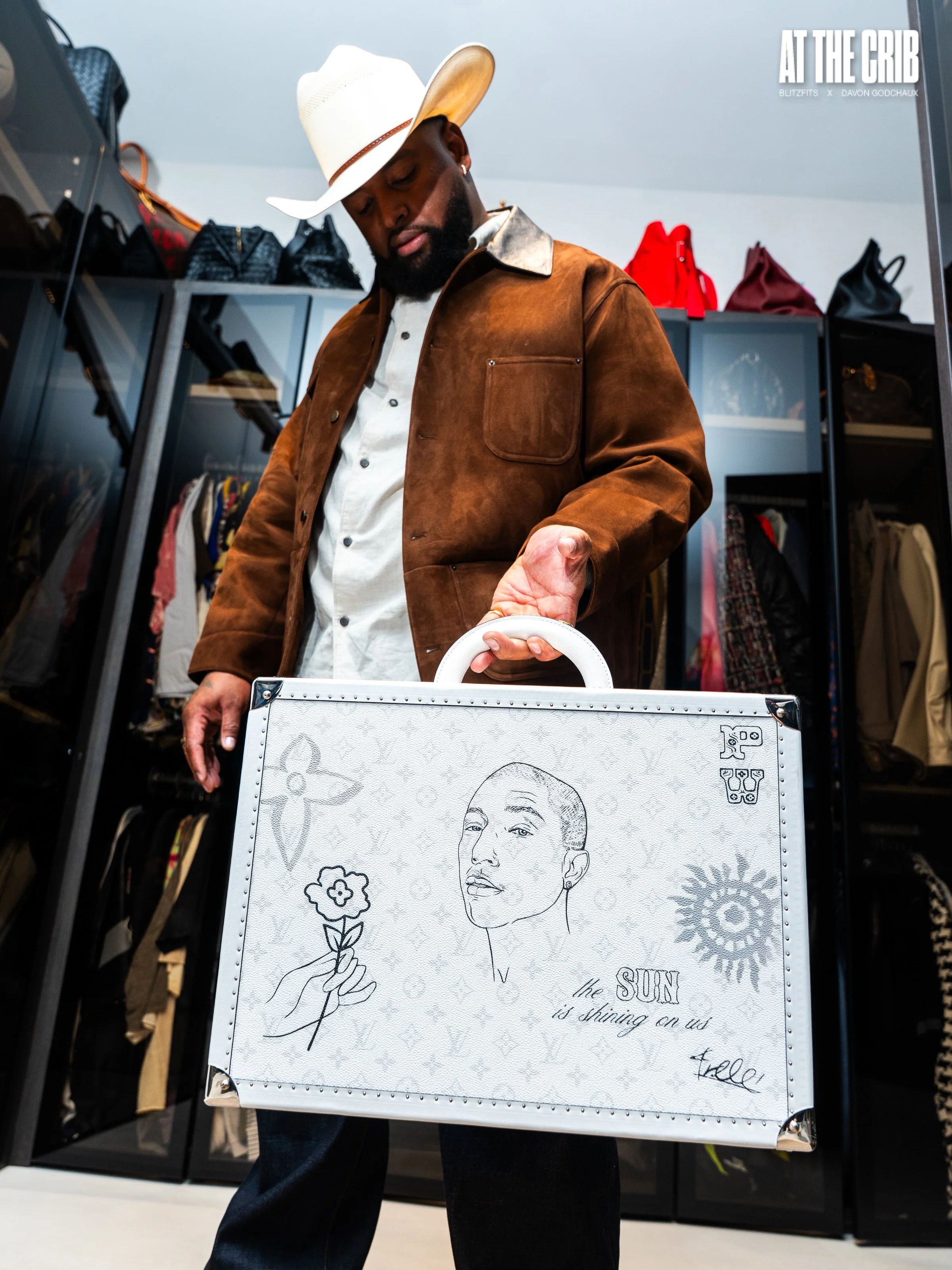
The briefcase is Virgil Abloh's last collection on one side, Pharrell's on the other. "Having two black designers back to back speaks a lot to Black creatives getting more involved in the fashion industry," he says. "Virgil set the way, and Pharrell picked up the torch." That's the whole reason it's his favorite — not the price, the meaning behind it.
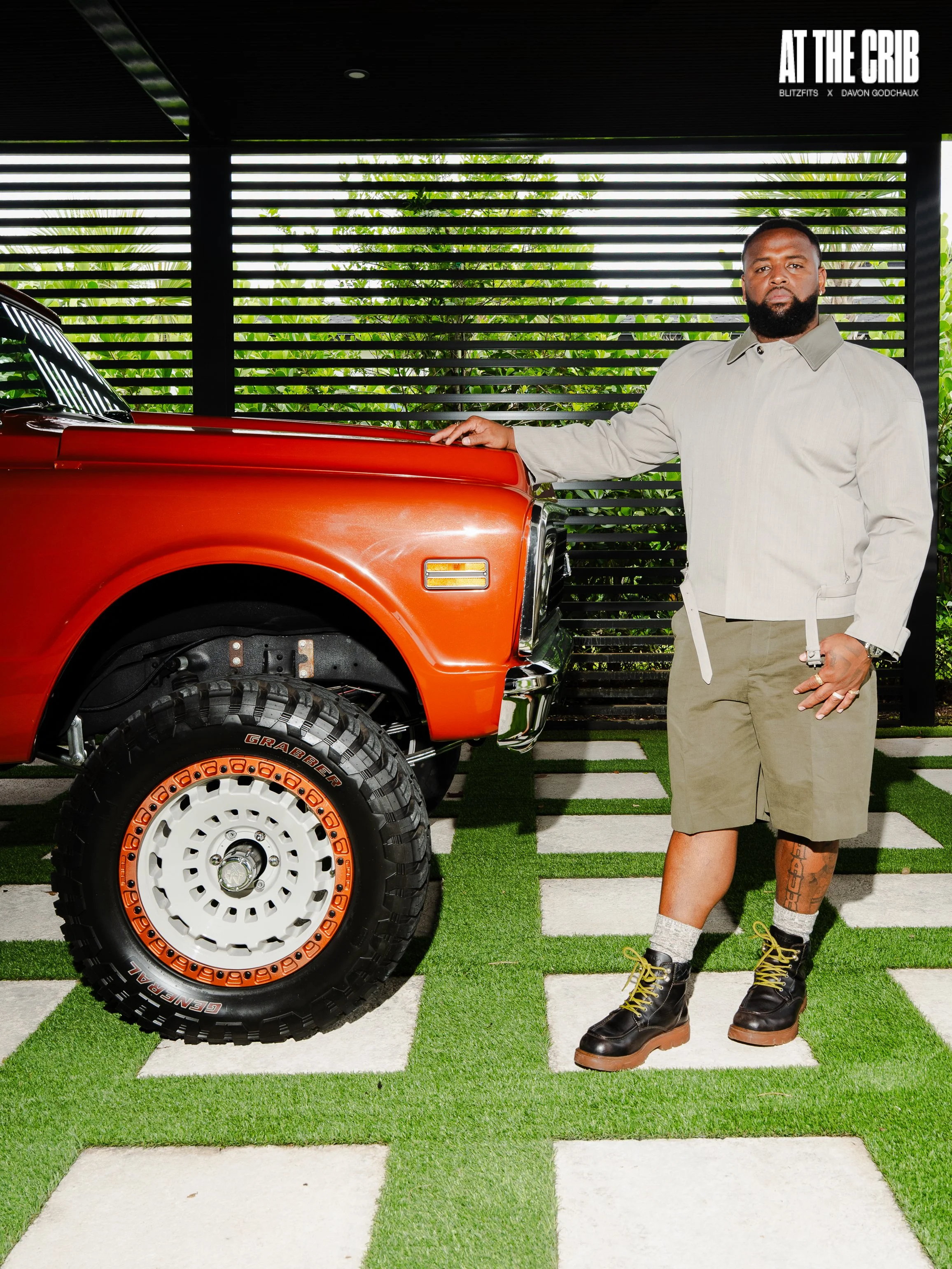
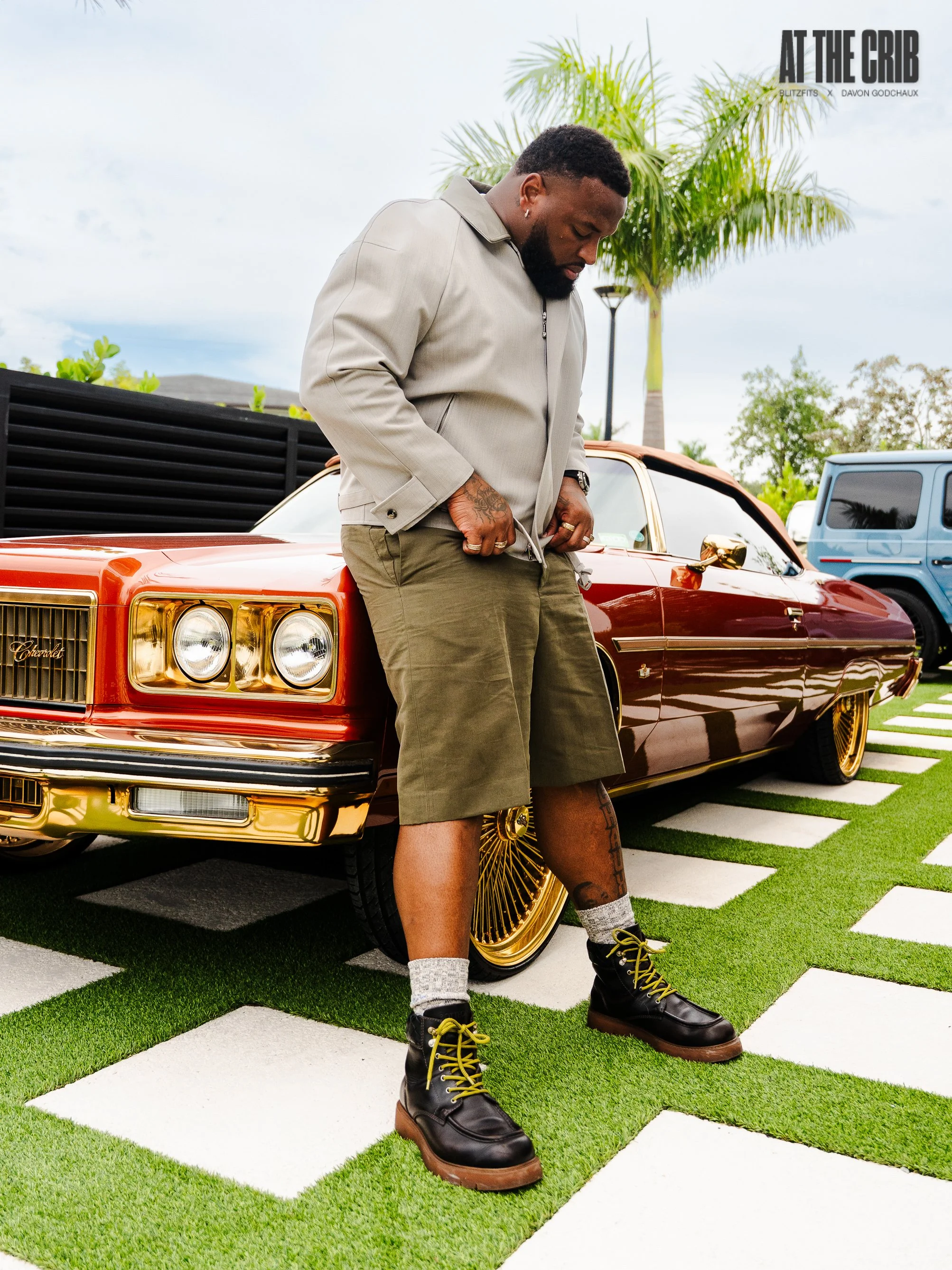
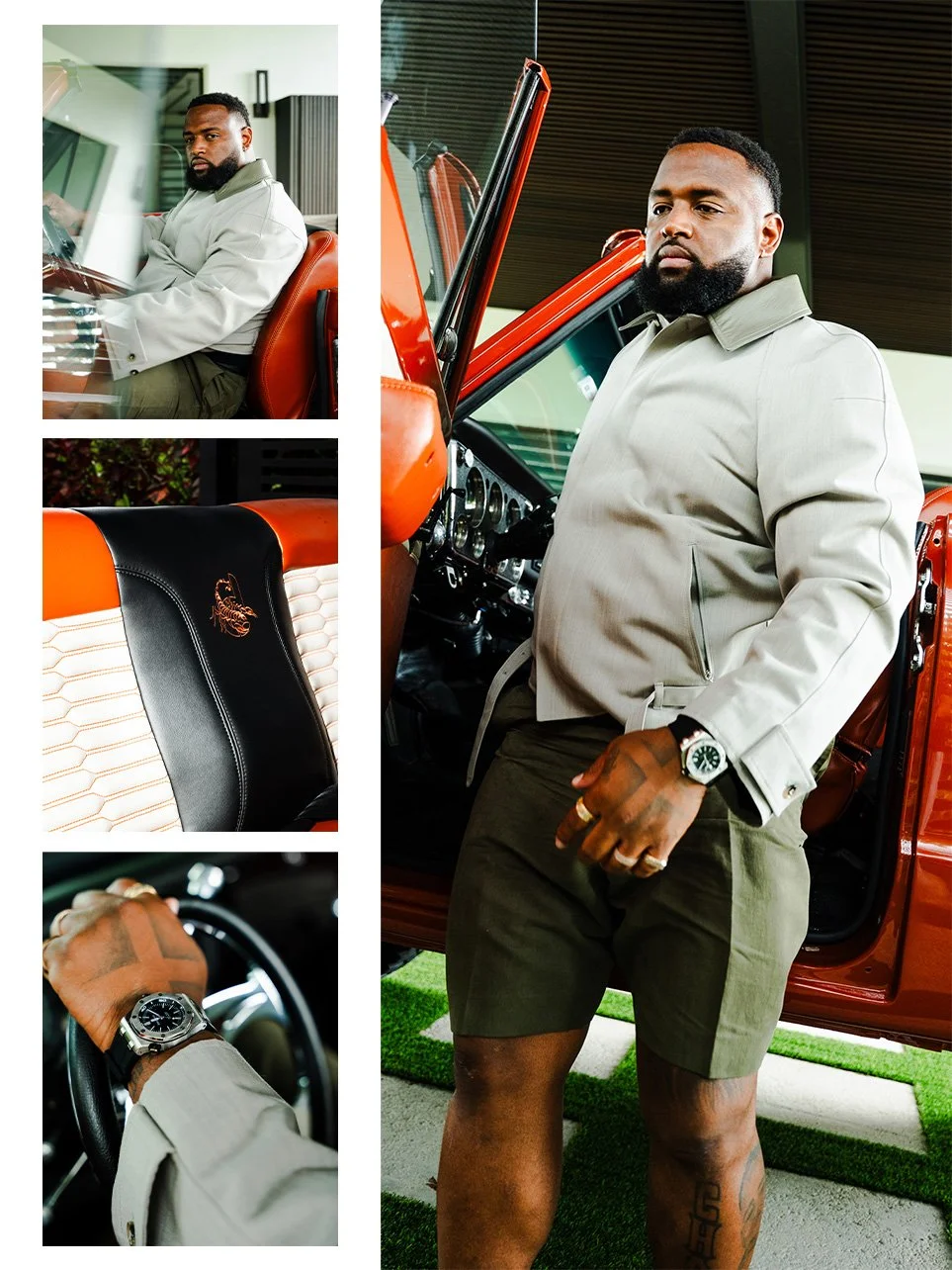
Same logic applies to the garage. The 1970 Blazer used to belong to PJ Tucker. "When I first saw him in that car, I was like, man, that's a nice car," Davon says. He tracked it down years later and bought it from the dealership Tucker traded it into. Then there's the 1972 Chevy Caprice Classic, formerly Sammy Watkins' — Davon put a new supercharged motor in it, dipped the rims in gold, added a new steering wheel. Both cars carry someone else's story before they became his. He didn't just buy them. He finished them.
What Actually Matters
For all the closet tours and car reveals, the realest moment of the day has nothing to do with either. Ask him about family and he slows all the way down.
"When it's all said and done, these clothes off, nobody's looking," he says. "The money doesn't come with you. The material, the bags, the cars — none of that comes with you. Family is all you have."
He brings up his wife, Chanel Iman — a Victoria's Secret Angel who's walked for Dior, Balenciaga, Burberry, and Louis Vuitton, and covered Vogue more times than most models ever do. Not as a footnote, but as someone whose eye for fashion and understanding of the industry actually shaped how he thinks about style and access. Their story started simple: mutual friend, a drink, a first date at a beach club he talked her into. "The rest is history," he says. What he keeps coming back to isn't the glam of it — it's the foundation. "Family is going to be there for you in tough times. It's what you lean on.
Still Consistent
Ten years in the league now, and Davon doesn't take that lightly. "The average stamina in this league is two, maybe three years," he says. "Ten years is a lot of dedication and hard work. But the most important thing people forget is consistency."
Same word he used for his closet. Same word for his marriage. Same word for coming back from an ACL tear at 17. Not a coincidence — it's just how he operates. The fits change. The cars get restored. The scholarships almost disappeared before he ever got the chance. Through all of it, Davon's been building the same thing: a life where nothing's handed to him, and everything's earned on purpose, every time.
That's not a brand. That's just Davon.